
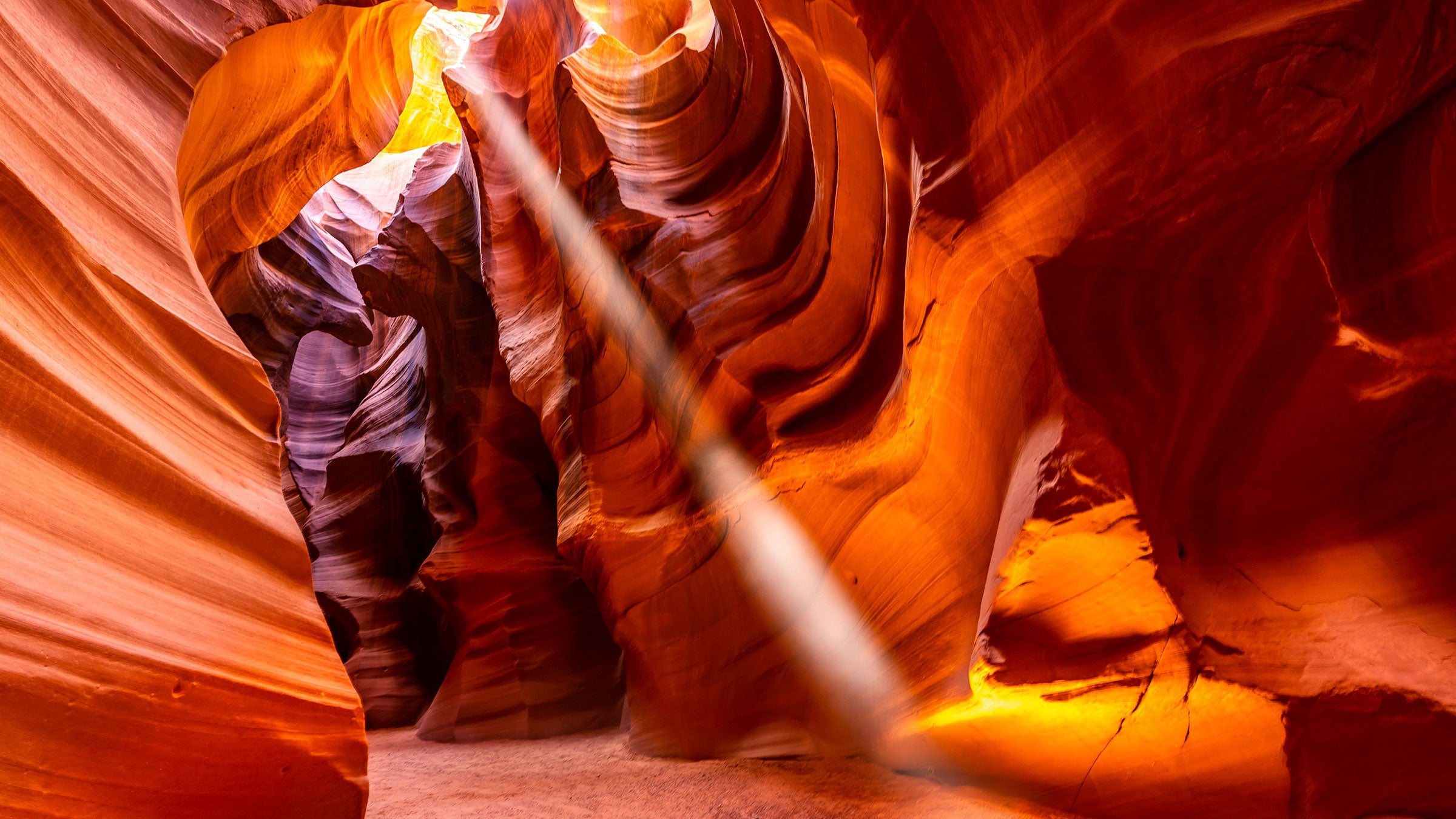

Upper Antelope Canyon, with its serpentine passageways and ethereal light beams, is an iconic destination that captivates the heart and soul of every traveler fortunate enough to witness its splendor. Tucked within the Navajo Nation in northwestern Arizona, this slot canyon has become famous for its stunning visual phenomena, particularly the light beams that dance along the canyon walls, creating an otherworldly atmosphere. However, timing your visit is crucial to truly experience this natural marvel. Understanding the nuances of light, weather, and seasonal variance can profoundly alter your journey through this enchanting landscape.
To embark on a memorable visit, one must first grasp the significance of timing. The arid climate of the Southwest United States contributes to an array of seasonal changes, impacting how and when the sun interacts with Upper Antelope Canyon. The golden hour, that magical time at sunrise and sunset, casts a soft glow over the canyon but also ushers in a different play of light compared to midday illumination. However, the light beams for which this canyon is renowned appear predominantly between late spring and early autumn.
From late March through October, the sun’s zenith directly aligns with the narrow openings above the canyon, allowing shafts of sunlight to pierce through and illuminate the sandy floor below. This occurrence intensifies from approximately 10 AM to 1 PM, peaking around midday. During the zenith of summer, particularly in June and July, visitors can witness the most dramatic light shows, resulting in breathtaking photo opportunities that seize the imagination and catalogue unworldly beauty.
While the summer months can engender optimal light conditions, they also beckon a host of tourists eager to witness the spectacle. Crowds can be overwhelming during peak tourist seasons; therefore, planning becomes paramount. To avoid throngs of visitors, consider venturing earlier in the spring or later in the fall. The weeks surrounding the vernal and autumnal equinoxes also provide suitable opportunities to observe the light beams, albeit with slightly different conditions that imbue the canyon with a unique ambiance.
Interestingly, every visit to Upper Antelope Canyon can promise surprises. Weather patterns, such as recent rain or flash floods, can sculpt the landscape unexpectedly, resulting in a geological wonder that is both familiar and entirely new. While safety measures are paramount, particularly during flood season, a post-rain visit can yield serene reflections in the canyon pools and a surge of refreshed color in the sandstone walls, painting an extraordinary canvas for any photographer.
Consideration of time should also extend beyond natural light conditions. Engaging with the Navajo guides, who offer profound insights into the canyon’s geological history and cultural significance, enriches the experience. Their stories deepen the understanding of this sacred place and its spiritual connections, elevating your visit from mere observation to a journey of searching and discovery. Opt for a guided tour for an immersive perspective, as they furnish invaluable tidbits about the canyon’s formation, the interplay of light and shadow, and anecdotes that breathe life into its surroundings.
In terms of practical matters, remember to equip yourself adequately for your visit. A good camera is essential, but also take time to learn about composition and light settings to maximize the visual poetry you hope to capture. Depending on the season, layering clothing is advisable, as the temperature fluctuates dramatically throughout the day and evening, exemplifying the desert’s capricious nature.
The quest for the perfect shot of light beams at Upper Antelope Canyon often leads to an underlying philosophical exploration. Time is both a concept and an experience here, where every passing moment transforms the canyon into something new. The changing hues of sandstone—ranging from rich reds to deep oranges and soft purples—encapsulate the perpetual metamorphosis of nature. Therefore, your visit transcends mere sightseeing, evolving into a meditative encounter with time, light, and the essence of the Earth itself.
As you consider your options, reflect on the compelling allure of visiting Upper Antelope Canyon at varying times throughout the year. Each season offers a fresh narrative told by the canyon walls. Perhaps you could witness the resplendent blooms of spring wildflowers on the canyon floor or the ethereal aura cast by the sun’s low angle in early autumn. Such contemplations provide yet another layer of depth to your journey, evoking a curiosity for the unseen and urging an appreciation of nature’s very rhythm.
Ultimately, visiting Upper Antelope Canyon is an unequivocal invitation to embrace the ‘now’ while considering the fleeting beauty of light and time. Whether your heart races at the thought of capturing that perfect shot or your spirit seeks serenity amidst majestic sandstone formations, the canyon remains a timeless sanctuary that beckons your exploration.
So, when planning your expedition, let anticipation guide you. Consider the sun, the season, and the stories waiting to unfurl within the folds of Upper Antelope Canyon’s walls. You may find the light beams revealing not only the stunning beauty around you but perhaps a deeper understanding of your own place within the grandeur of the natural world.
