

In today’s eco-conscious world, the debate around the safety and sustainability of various types of bottles has taken center stage. Among the contenders in this ongoing “bottle battle” are silicone and plastic bottles. While plastic bottles have long been a staple in our lives, gaining popularity for their convenience and affordability, silicone bottles are increasingly emerging as a formidable alternative. But are silicone bottles truly safer than their plastic counterparts? Let’s dive into this intriguing question and unravel the complexities behind both options.
At first glance, one might assume that the choice between silicone and plastic is simply a matter of preference. However, as we delve deeper, it becomes evident that the safety and environmental implications of both materials warrant careful consideration.
To grasp the intricacies of this topic, we first need to understand the composition of each material. Plastic bottles are typically made from a variety of different plastics, with polyethylene terephthalate (PET) and high-density polyethylene (HDPE) being two of the most common types. These plastics are derived from petroleum-based products and, while affordable and widely manufactured, they come with a host of environmental concerns. The production of plastic not only consumes valuable natural resources but also results in significant greenhouse gas emissions.
Silicone, on the other hand, is a synthetic material made from silica, a component derived from sand. Silicone is notable for its flexibility, durability, and heat resistance. These characteristics make silicone bottles robust contenders in the ongoing discourse about eco-friendly alternatives. They are designed to withstand extreme temperatures, allowing for a broader range of applications than traditional plastic bottles.
Moreover, when comparing the safety of silicone and plastic, it is imperative to consider the chemical leaching phenomenon. Plastic bottles, particularly those made from certain types of polycarbonate, can leach harmful chemicals, such as bisphenol A (BPA), especially when exposed to heat or repeated use. BPA is a hormone disruptor associated with various health issues, including reproductive problems and increased cancer risk. As consumers strive for healthier choices, the allure of silicone bottles grows stronger, partly due to their BPA-free nature.
Silicone bottles, in contrast, are generally regarded as safer for food and beverage storage. Unlike plastic, silicone does not contain BPA or phthalates, which makes them a reassuring option for health-conscious individuals. Additionally, silicone is often considered inert, meaning it does not react with the contents inside, thus minimizing the risk of chemical contamination.
Another fascinating aspect to explore is the environmental impact of both materials. While plastic is infinitely recyclable, in practice, many plastic bottles end up in landfills or, dreadfully, in our oceans. The lifespan of a plastic bottle can extend beyond hundreds of years, contributing to the alarming accumulation of plastic waste. Moreover, the recycling process itself can be energy-intensive and is not always effective, as only a fraction of plastic is actually recycled.
Silicone, while not fully biodegradable, presents a somewhat different narrative. Its durability means silicone bottles can endure years of use, reducing the need for frequent replacements. In fact, a single high-quality silicone bottle can replace dozens, if not hundreds, of plastic bottles over time. Some manufacturers claim that silicone can be recycled, though the technology and infrastructure for silicone recycling are not as developed as those for plastic. Thus, while silicone bottles don’t eliminate waste entirely, they do offer a more sustainable solution when used responsibly.
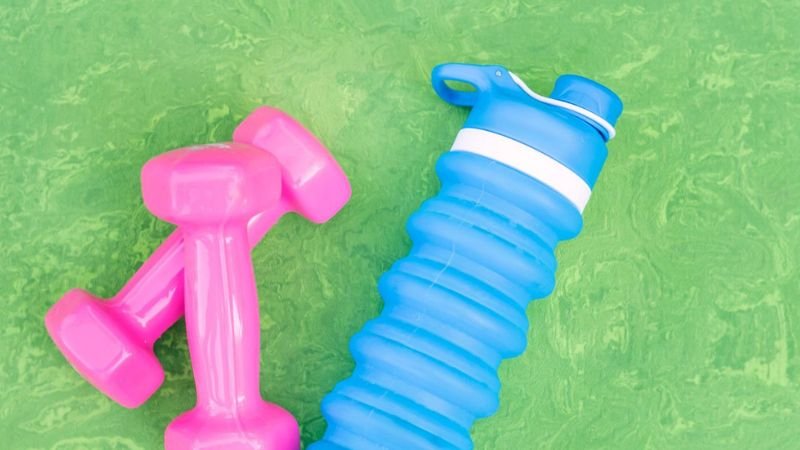
Yet, the appeal of silicone bottles goes beyond just their safety and environmental benefits. Consumers are increasingly drawn to the versatility of silicone products, as they can be molded into a variety of shapes and sizes. Unlike rigid plastic, silicone bottles can be collapsed or squeezed, making them exceptionally portable. This adaptability is particularly appealing to outdoor enthusiasts, travelers, and anyone seeking convenience in their hydration solutions.
However, it is essential to note that choosing silicone over plastic is not a panacea for environmental issues. The production of silicone still poses ecological challenges, including energy consumption and resource extraction. Therefore, it’s imperative for consumers to consider the broader context of their choices. Reusable bottles, regardless of material, are undoubtedly the more sustainable option compared to single-use bottles. People can significantly reduce their carbon footprint by opting for durable options that mitigate the pervasive issue of plastic waste.
As this bottle battle rages on, it becomes clear that the question of safety is nuanced and multifaceted. Both silicone and plastic have their merits and drawbacks, with factors such as health implications, environmental impact, and usability all playing pivotal roles in the decision-making process.
In summary, while silicone bottles present notable advantages over plastic in terms of safety and sustainability, it’s vital to approach the discussion with a holistic mindset. The allure of silicone lies not only in its health benefits but also in its potential to reduce waste when used as a long-lasting alternative. Ultimately, making the right choice hinges on an informed understanding of the trade-offs and a commitment to sustainable practices, regardless of which bottle type one chooses. The battle between bottles continues, but a carefully considered choice can pave the way for a healthier future, both for individuals and the planet.
