
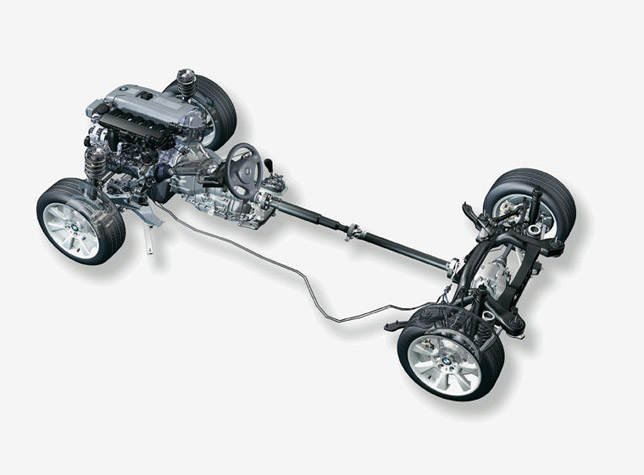

The debate surrounding drivetrains is akin to a philosophical discussion about the essence of motion. At the heart of this discourse lies the dichotomy between Front Wheel Drive (FWD) and Rear Wheel Drive (RWD). Each drivetrain configuration possesses unique attributes that influence not only the driving experience but also vehicle dynamics, efficiency, and environmental impact.
Both FWD and RWD architectures have their distinct characteristics, reminiscent of contrasting philosophies concerning power distribution and vehicle control. This essay will elucidate these contrasts, exploring their advantages and disadvantages within the automotive realm.
Understanding Drivetrains
At its core, a drivetrain encompasses the components that transmit power from the engine to the wheels. FWD vehicles direct engine power to the front wheels, while RWD vehicles channel power to the rear wheels. This fundamental distinction influences aspects such as handling, traction, and fuel efficiency.
Front Wheel Drive: The Efficient Commuter
Front Wheel Drive is often heralded for its efficiency and practicality. The configuration allows for a more compact design, as the engine and transmission can be housed within a single space at the front of the vehicle. This unity leads to a lighter overall weight, thereby enhancing fuel economy. In a world grappling with climate change, the ability to reduce fuel consumption and the subsequent carbon footprint is paramount.
Additionally, the weight of the engine rests directly above the drive wheels, providing superior traction during inclement weather conditions. Rain and snow often create hazardous driving environments; thus, FWD vehicles are frequently favored in regions where adverse weather is common. The improved traction that comes from this weight distribution permits a level of confidence for drivers navigating through challenging conditions.
However, FWD does come with its own set of limitations. While offering good initial traction, FWD vehicles can suffer from understeer during aggressive cornering. This phenomenon occurs when the front tires lose grip before the rear tires, leading to a loss of directional control. For those seeking an exhilarating driving experience, this can be a notable drawback.
Rear Wheel Drive: The Enthusiast’s Choice
In contrast, Rear Wheel Drive is often considered the epitome of performance driving. By transferring power to the rear wheels, RWD vehicles create a more balanced weight distribution. This configuration allows for a more dynamic handling experience, markedly underpowered conditions, wherein the rear tires can break traction for a thrilling sense of control, often sought after by driving enthusiasts.
Moreover, RWD’s architecture can support the installation of powerful engines that drive performance metrics skyward. Sports cars and high-performance vehicles typically utilize RWD to maximize acceleration and improve cornering capabilities. This exhilarating experience demonstrates the appeal of RWD among those who appreciate vehicular engineering and performance.
Nevertheless, RWD also bears the brunt of its own challenges. In less-than-ideal weather conditions, traction can become an issue, as the engine’s weight is located at the front of the vehicle, while power delivery is directed to the rear. Consequently, RWD vehicles may struggle in rain and snow, sometimes requiring skillful navigation by the driver to maintain control.
Environmental Considerations
Conversely, while RWD may not be as focus-oriented in terms of efficiency, automakers are continually innovating to design cleaner and more efficient performance vehicles. The emergence of hybrid and electric RWD vehicles highlights the industry’s commitment to reducing its ecological footprint while still appealing to the performance market. These advancements demonstrate a convergence of exhilaration and sustainability, harmonizing the seemingly disparate goals of drivers and environmental advocates.
The Future of Drivetrain Technologies
As technology progresses, the lines between FWD and RWD may blur. Innovations such as all-wheel drive (AWD) systems showcase the potential for combining the strengths of both configurations. AWD can provide the traction benefits of FWD while maintaining the performance characteristics associated with RWD. Furthermore, the rise of electric vehicles (EVs) signifies a paradigm shift. Many EVs now incorporate multiple motors, which can dynamically control power distribution between the front and rear wheels, allowing for unparalleled adaptability and performance while significantly reducing emissions.
Conclusion: A Personal Choice
The Front Wheel Drive versus Rear Wheel Drive debate extends far beyond mere specifications. It epitomizes a choice dependent on personal driving preferences, environmental considerations, and the circumstances of everyday life. FWD offers practicality, economy, and adequate traction; RWD appeals to enthusiasts who crave spirited driving experiences. Each configuration, akin to different philosophies, contributes to the larger narrative of automotive evolution.
Ultimately, the decision between FWD and RWD is shaped by the unique needs and priorities of individual drivers. As society grapples with the challenges of climate change, the implications of these choices become more critical, reminding us that our decisions on the road also shape our collective future.
